


The Ultimate Automotive Guide: Mastering the Art of Buying, Selling, and Maintaining Your Vehicle
1. Introduction: The Power of Preparation
Navigating the automotive market can be an overwhelming experience, whether you are a first-time buyer or a seasoned seller. The difference between a successful transaction and a costly mistake often lies in the depth of your preparation. At Fexolly, we believe that an informed driver is a confident driver. In today's fast-paced market, where vehicle prices fluctuate and technical complexities increase, understanding the fundamentals of vehicle assessment and market dynamics is essential.
Preparation is not just about looking at a car's exterior; it involves a holistic approach that covers mechanical integrity, legal documentation, and financial strategy. By investing time in research before you ever step onto a dealership lot or list your car online, you protect yourself from common pitfalls such as hidden mechanical failures, title issues, and unfair pricing. This guide is designed to provide you with a comprehensive roadmap to handle every stage of the car ownership lifecycle with ease and precision.
2. Before Buying: Ensuring a Sound Investment
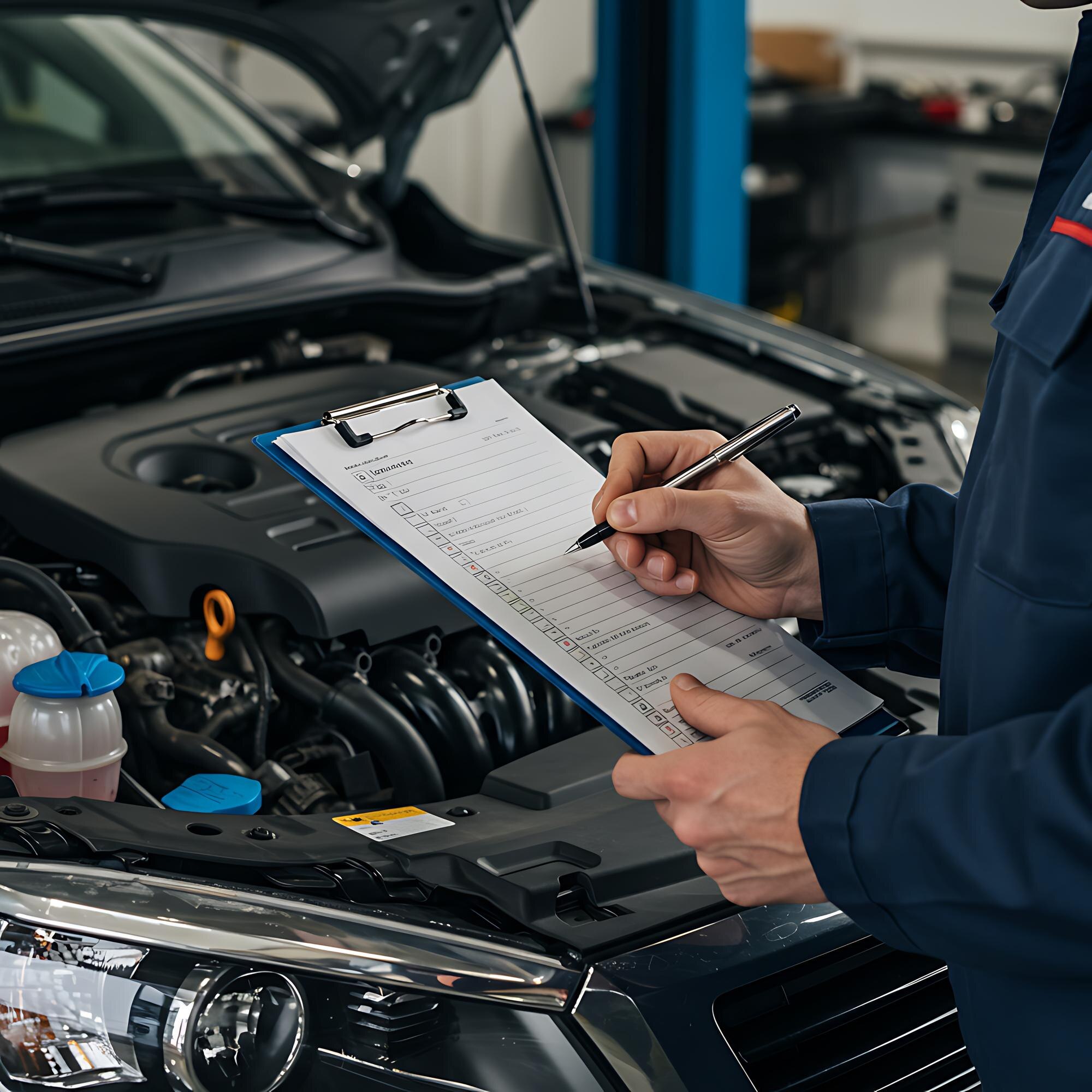
Buying a vehicle is one of the most significant financial decisions you will make. To ensure you are making a sound investment, you must follow a rigorous verification process. The first step is always the technical check. Never rely solely on the seller's word. A professional pre-purchase inspection (PPI) by a trusted mechanic is non-negotiable. They can identify signs of previous accidents, flood damage, or imminent mechanical failures that are invisible to the untrained eye.
Beyond the physical state of the car, a document audit is critical. You must verify the Vehicle Identification Number (VIN) across all documents and the chassis itself. Check the service history to see if the previous owners followed the manufacturer's maintenance schedule. A car with a complete service record is often worth a premium because it suggests the vehicle has been cared for properly. Additionally, always run a vehicle history report to check for outstanding recalls, previous total-loss claims, or odometer discrepancies.
Finally, perform a thorough value assessment. Use online valuation tools to compare the asking price with the current market average for that specific make, model, year, and mileage. Remember that the lowest price is not always the best deal; a slightly more expensive car with a documented history and a clean bill of health from a mechanic will save you thousands in the long run.
3. Before Selling: Maximizing Your Return
When it comes time to sell, your goal is to maximize the return on your investment while ensuring a smooth transaction for the buyer. Pre-sale preparation starts with aesthetics. A professional detail can significantly increase the perceived value of your car. Clean the engine bay, polish the headlights, and ensure the interior is spotless. First impressions are everything in the private market.
Minimizing investment doesn't mean ignoring problems. Address minor repairs that could be used as leverage during price negotiations. Fixing a broken taillight, replacing worn windshield wipers, or addressing a small chip in the paint can prevent a buyer from asking for a large discount. However, avoid major mechanical overhauls right before selling unless they are absolutely necessary to make the car drivable, as you rarely recoup the full cost of major repairs in the sale price.
Transparency is your best tool for a quick sale. Gather all your maintenance receipts and present them clearly to potential buyers. Create a detailed listing that highlights the car's strengths but also honestly mentions any minor imperfections. This builds trust and filters out buyers who aren't serious, saving you time and effort.
4. Saving: Strategies for Both Sides
Cost reduction is a primary concern for both buyers and sellers. For buyers, saving money starts with timing. Research the best times of the year to buy—often at the end of the month or during holiday sales when dealerships are trying to meet quotas. If buying privately, look for motivated sellers who need to move quickly. Negotiation is an art; always have a maximum price in mind and be prepared to walk away if the numbers don't align with your research.
For sellers, saving money means avoiding unnecessary middleman fees. Selling your car privately often yields a higher price than a dealership trade-in, though it requires more effort. You can also save by handling the paperwork yourself, ensuring all transfer documents are correctly filled out to avoid future legal liabilities or fines. For both parties, maintaining a clear line of communication and being organized with paperwork prevents costly delays and legal headaches.
5. Common Mistakes and Final Conclusion
One of the most common mistakes in the automotive world is emotional decision-making. Falling in love with a car's color or brand name can blind you to serious mechanical or financial red flags. Always stick to your checklist. Another mistake is skipping the test drive. A car might look perfect on paper but feel completely wrong on the road. Pay attention to how it shifts, brakes, and handles bumps.
In conclusion, successful car ownership is built on the pillars of research, inspection, and transparency. Whether you are entering the market to find your next daily driver or looking to pass your current vehicle to a new owner, the steps outlined in this guide will help you navigate the process with confidence. By following these practical tips and maintaining a disciplined approach, you can avoid the most common mistakes and ensure that your automotive journey is both safe and financially rewarding.
At Fexolly, we are committed to helping you make the best decisions for your vehicle and your wallet. Stay informed, stay prepared, and enjoy the road ahead.